
Two Downtown Neighbourhoods, Different Waterfronts
Yaletown and Coal Harbour both put condo living close to downtown employment and a waterfront walking route. That shared description hides the distinctions that matter when choosing a home: the block outside your door, the direction of your daily walk, the building itself and where you spend your evenings.
Yaletown's False Creek setting connects waterfront residential streets with its restaurant and warehouse district. Coal Harbour's Burrard Inlet setting connects marina-front paths with downtown's north side and the approach to Stanley Park. Neither label guarantees a particular atmosphere at every address.
Start With The Setting
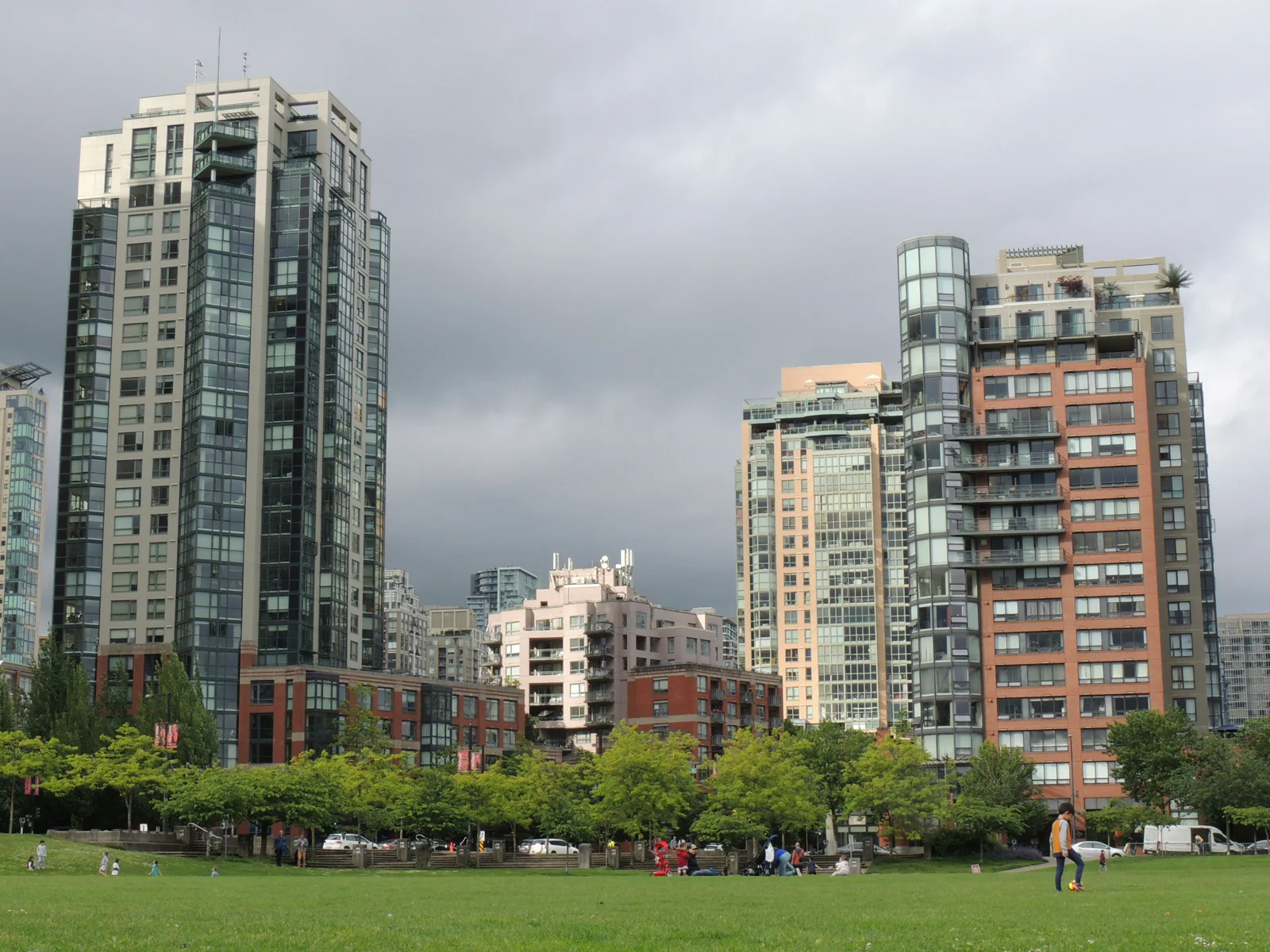
The Yaletown waterfront centres on the north shore of False Creek, including the Marinaside and David Lam Park area. Inland, Hamilton and Mainland streets provide a different experience: brick warehouse character, restaurant frontages and a more urban street setting. Compare those two parts rather than treating all of Yaletown as waterfront living.
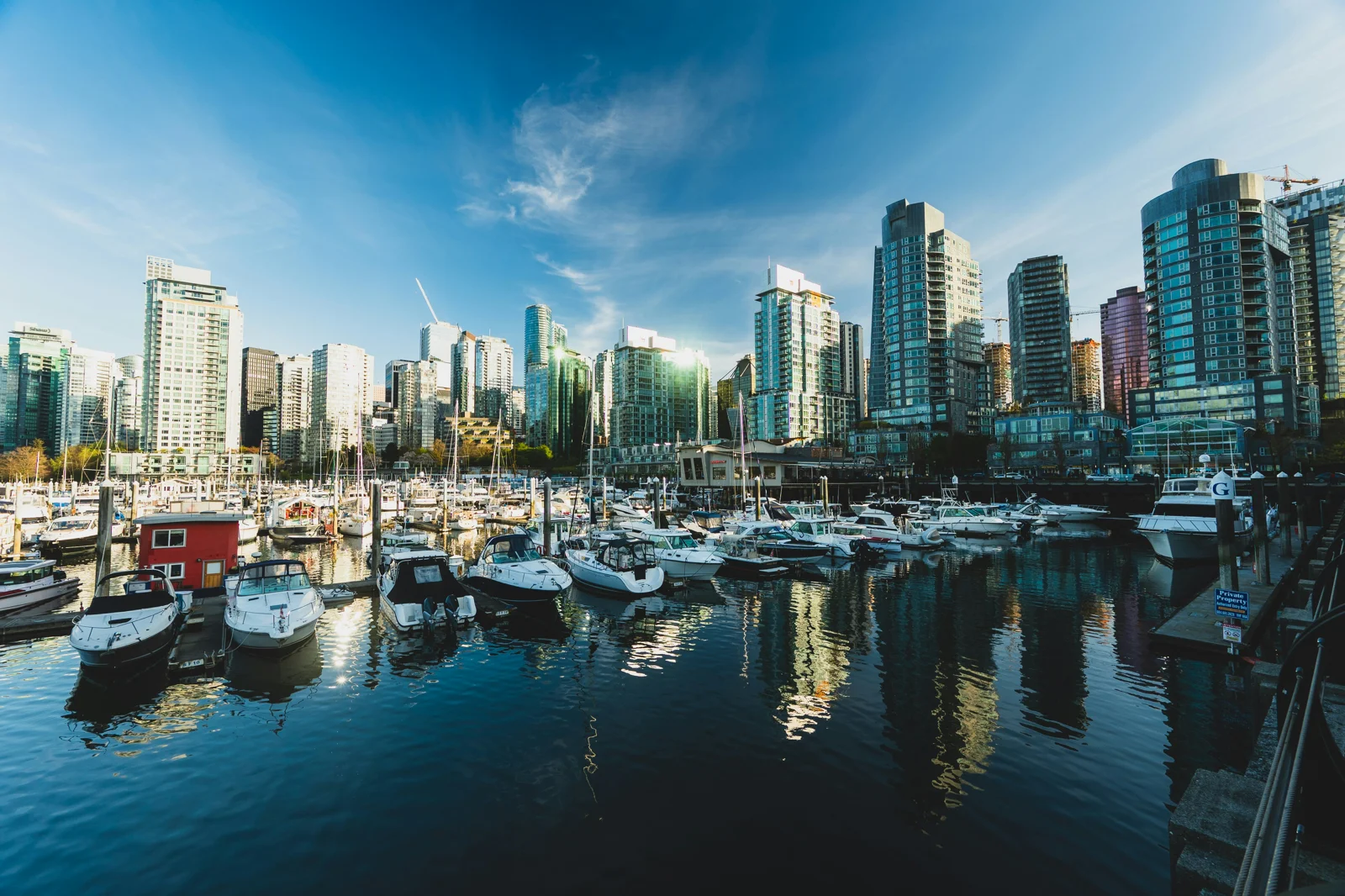
Coal Harbour's seawall runs past marina scenes, Harbour Green Park and the waterfront toward Stanley Park. A suite several blocks uphill can have a different daily route from a home on the waterfront itself. The park views, passing boats and harbour activity are part of this setting, but access and outlook remain address-specific.
Yaletown Orientation
Water: False Creek.
Walk to test: home → David Lam Park or waterfront → Roundhouse → inland shops.
Coal Harbour Orientation
Water: Burrard Inlet.
Walk to test: home → Harbour Green or marina-front path → Stanley Park approach → everyday shops.
Use the City's seawall information and map for geographic orientation. These route prompts are not measured itineraries; walk from the actual candidate building and check current closures.
Compare Homes And Architecture At Building Level
Yaletown combines tower-and-podium residential development with the warehouse character of its historic inland streets. A loft or conversion and a waterfront tower are distinct housing choices, even when both are described as Yaletown. Layout, glazing, ceiling height, amenities and renovation constraints vary by building.
Coal Harbour's residential choices include substantial concrete towers, waterfront developments and homes set farther into the downtown street grid. A marina outlook and a city outlook offer different experiences. Do not assume that the neighbourhood's luxury reputation tells you the condition, funding or fit of an individual strata.
Bring The Same Questions To Both
- Does the actual floorplan work for furniture, guests and working from home?
- Which amenities will you use, and what are their operating and renewal obligations?
- What do the strata documents show about maintenance, insurance and future work?
- Are parking and storage suitable and correctly allocated?
- What restrictions affect pets, alterations or your intended use?
The older-condo guide explains why age and condition are separate. The same document review applies to a well-known waterfront tower and a less prominent inland address.
Which Daily Routine Feels Natural?
Yaletown
Test the connection between the waterfront, the Roundhouse and Hamilton/Mainland's dining streets. Decide whether you prefer being near that activity or a few blocks removed from it.
The Roundhouse is a community arts and recreation centre in a historic railway complex. Check its current programmes rather than assuming that a nearby facility offers the activities or hours you need.
Coal Harbour
Test whether a marina-front walk and the connection toward Stanley Park would become part of your normal week. Harbour Green Park offers a waterfront green-space setting; it is different from having a large park at your exact doorstep.
Walk inland to the shops and services you actually use. A beautiful seawall route may not be the route you take with grocery bags in the rain.
Restaurants, Cafés And Groceries
Yaletown's Hamilton/Mainland area concentrates restaurant activity, while Coal Harbour mixes waterfront venues with options along the surrounding downtown streets. Assess your preferred kind of outing: a busy dining street, a waterside stop or a quick coffee on the commute. Individual businesses and opening hours change, so verify them before building your routine around a particular venue.
For groceries, walk to the stores you would use from each candidate building. Compare the actual shopping choice, route, gradients, crossings and delivery access. “Walkable” is useful only when the walk serves your needs.
Dogs And Recreation
Both waterfront settings can support a pleasant daily walk, but a pet decision also involves bylaws, elevator trips, outdoor access and a rainy-night route. Check the building's rules and the City's designated dog-area information. A park or seawall is not automatically an off-leash space.
For cycling or running, identify the permitted route and how you reach it. The City provides seawall information, including maintenance closures; a familiar photograph is not confirmation that every section is open today.
Transit, Commuting And Downtown Employment
Yaletown–Roundhouse is on the Canada Line. That can be useful for destinations served by the line, but the station-to-door walk and your actual transfer needs still matter. Check TransLink's current journey planner at the time you expect to travel.
For Coal Harbour, evaluate the walk to the appropriate downtown station or bus stop from the particular address. Burrard and Waterfront are relevant downtown transit nodes, but their usefulness varies across the neighbourhood. Waterfront provides connections including the Canada Line, SeaBus and West Coast Express; do not assume one station serves every trip equally.
Both neighbourhoods can suit a downtown workplace. Compare the route to your actual office, including crossings, hills, weather exposure and the journey home after dark. Avoid relying on a blanket “ten-minute commute” based on a neighbourhood name.
Evenings, Sound And Views Need A Second Visit
A waterfront street can feel different from a dining block in the same neighbourhood. In Yaletown, visit the candidate building during restaurant activity and check whether the suite faces that street, a courtyard or the water. In Coal Harbour, consider marina activity, nearby roads and the harbour's floatplanes rather than equating the setting with silence.
The City describes Cardero Park's setting in relation to boats and nearby floatplanes. That is a reminder to listen from the actual home. Floor height, orientation, glazing, neighbours and equipment also affect the sound you experience; no neighbourhood description can substitute for a visit.
Views: Evaluate The Actual Sight Line
False Creek, marina, mountain, park and city outlooks each offer a different relationship to the setting. Look from seated positions as well as standing at the window. Check privacy from neighbouring buildings, balcony overhangs and the amount of daylight that reaches the room.
A listing photograph can compress a view or omit nearby obstructions. Investigate relevant development information if a future outlook is material to your decision. Existing views should not be described as guaranteed without a verified basis.
Neither neighbourhood is the automatic choice for a quiet evening or a social household. The block and suite may be more important than the headline location. Visit at the times you normally occupy the home.
A Comparison Walk Before You Choose
- Begin at a real building entrance. Assess the route from street or parking to the suite.
- Walk your grocery trip. Carrying bags and navigating crossings makes convenience more tangible.
- Reach the waterfront. Note the actual route, not the distance suggested by a skyline photo.
- Check one everyday destination. A café, recreation programme, station or office that you genuinely use.
- Return after dark. Observe activity, lighting and how the route feels to you.
- Visit the suite again if necessary. Compare noise, light and privacy under different conditions.
- Review building evidence. Keep the lifestyle decision alongside strata, insurance and inspection findings.
Keep two separate notes: what you like about the neighbourhood and what you have verified about the building. A favourite waterfront does not answer a funding question, and excellent building records do not make an inconvenient routine disappear.
Explore the Yaletown neighbourhood guide and Coal Harbour neighbourhood guide for more local context. Choose the combination of home, block and daily life that suits you; there is no universal winner here.
Local Sources And Useful Maps
- City of Vancouver: seawall routes and closures
- Roundhouse Community Arts and Recreation Centre
- Vancouver Park Board: Harbour Green Park
- Vancouver Park Board: Cardero Park
- TransLink: stations and current SkyTrain information
Want To Compare Homes In Both Neighbourhoods?
If you would like to build a search around your daily routine and property priorities, contact Spencer.